Thursday, September 1, 2016

Stretch marks are visible lines on the skin surface, with an off-color hue. Stretch marks are mainly found in the abdominal wall, but can also occur over the thighs, upper arms, buttocks and breasts.
Sometimes stretch marks can cover large areas of the body. While pregnancy is the main cause behind stretch marks, other reasons can be sudden gain or loss in weight, rapid growth, heredity factors,stress and changes in physical conditions.
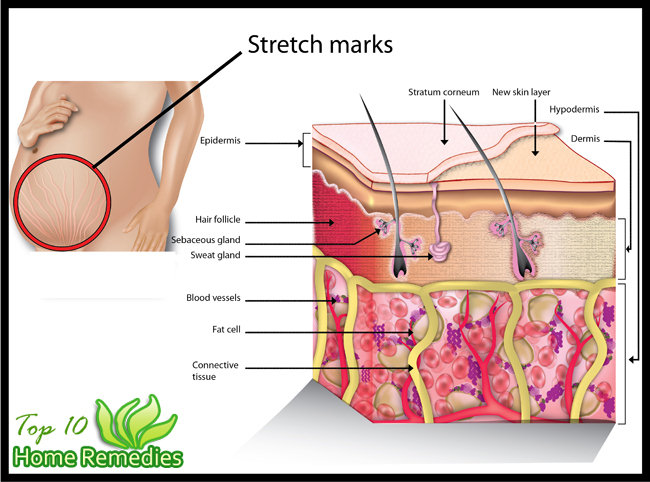
The skin consists of three main layers: Epidermis (the outer layer), Dermis (the middle layer) and Subcutaneous or Hypodermic (the deepest layer). Stretch marks form in the dermis or middle layer of the skin when the connective tissue is “stretched” beyond the power of its flexibility due to rapid expansion or contraction of the skin.
As skin is stretched, the collagen is weakened and its normal production cycle is interrupted and damaged. This ultimately results in fine scars under the top layer of the skin. Initially the marks look pink or red, but over time a thin, silvery line appears on the skin surface and a stretch mark is born.
Stretch marks appear on the skin surface when someone grows quickly, or puts on weight quickly.
Stretch marks can make you feel self-conscious and uncomfortable about your appearance. Fortunately, there are several natural ways to reduce the appearance of stretch marks.

1. Castor Oil

Castor oil, which is used in the treatment of a number of skin problems such as wrinkles, age spots, moles, dark spots, fine lines and pimples, can also be used to get rid of stretch marks.
Apply Castor Oil to Remove Stretch Marks
  1. Apply some castor oil to the stretch marks and gently massage the area in circular motions for 5 to 10 minutes.
  2. Wrap the area with a thin, cotton cloth. Using a hot water bottle or a heating pad, apply some heat to the affected area for at least a half an hour.
  3. Repeat this process daily for a minimum of one month to notice positive results.

2. Aloe Vera

Aloe vera is effective in the treatment of many skin problems. Its healing and soothing properties can be used to get rid of stretch marks. There are a couple of ways to apply it.
Aloe Vera Home Remedy to Get Rid of Stretch Marks
  • You can directly rub aloe vera gel on the affected skin area, leave it on for 15 minutes and then rinse the skin with lukewarm water.
  • Another option is to make a mixture with one-fourth cup of aloe vera gel, oil from 10 vitamin E capsules and oil from five vitamin A capsules. Rub this mixture onto the skin until fully absorbed. Repeat this process daily.

3. Egg Whites

Eggs are a rich source of protein. For stretch marks, you want to use only the egg whites, which contain amino acids and proteins.
  1. Whip the whites of two eggs gently with a fork. Clean the affected skin area with water and then apply a thick layer of egg whites with a makeup brush.
  2. Allow the egg whites to dry completely and then rinse the area with cold water.
  3. Finally apply some olive oil on the skin to keep it moisturized.
  4. Repeat the process daily for at least two weeks and watch for positive results.

4. Lemon Juice

Another simple way to lessen stretch marks is to use lemon juice. Lemon juice is naturally acidic which helps heal and reduce stretch marks, acne, and other scars.
  • Rub fresh lemon juice gently onto the stretch marks using circular motions. Allow the lemon juice to soak into your skin for at least 10 minutes before rinsing it off with warm water.
  • Another option is to mix equal quantities of cucumber juice and lemon juice and apply the mixture on the stretch marks.

5. Sugar

Natural white sugar is one of the best natural remedies to get rid of stretch marks. You can use the sugar toexfoliate your skin.
  1. Mix a tablespoon of raw sugar with some almond oil and a few drops of lemon juice. Mix it well and apply it on the stretch marks and other skin areas.
  2. Gently rub the mixture on the skin for a few minutes every day before taking a shower.
  3. Do this for a month or so and watch your stretch marks become lighter.

6. Potato Juice

Potato juice contains vitamins and minerals that foster growth and restoration of skin cells.
  1. Cut a medium-sized potato into thick slices.
  2. Take one of the potato pieces and rub it gently on the stretch marks for a few minutes. Make sure the starch from the potato covers the affected area.
  3. Allow the potato juice to dry for some time and then wash it off with lukewarm water.

7. Alfalfa

Alfalfa leaves contain eight essential amino acids which are good for overall health of the skin. They are also rich in protein and vitamins E and K, which help nourish the skin.
  1. Mix some alfalfa power with a few drops of chamomile oil to form a smooth paste.
  2. Massage the paste into the affected area two to three times a day.
  3. Repeat this daily for a few weeks and you will notice great improvement.

8. Cocoa Butter
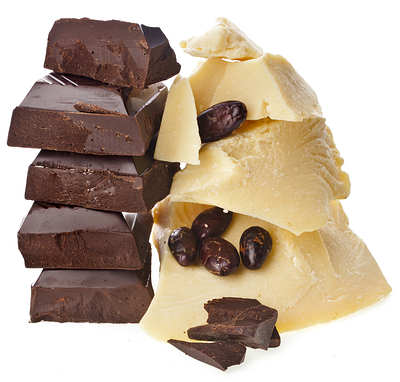
Cocoa butter is also very beneficial in treating stretch marks. Being an excellent natural moisturizer, it helps nourish your skin and reduce the appearance of stretch marks.
  • You must apply cocoa butter over the affected area at least two times a day for a few months.
  • Another option is to make a mixture using half a cup of cocoa butter, one tablespoon of wheat germ oil, two teaspoons of grated beeswax and one teaspoon each of apricot kernel oil and vitamin E oil. Heat this mixture until the beeswax melts. You can store the mixture in an airtight container in the refrigerator and apply it to your stretch marks two to three times a day. This mixture will make your skin more hydrated and smooth.

9. Olive Oil
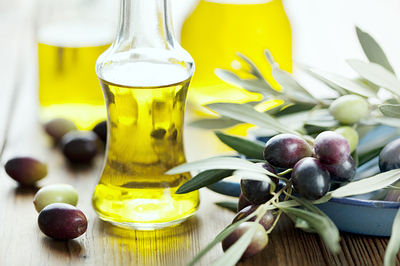
Olive oil contains a lot of nutrients and antioxidants that help improve various skin problems including stretch marks.
  1. Massage slightly warm extra-virgin olive oil into the affected skin area. This will improve the blood circulation and reduce the stretch marks to a great extent.
  2. Leave it for half an hour so that the vitamins A, D and E present in the oil are absorbed by the skin.
You can also mix olive oil with vinegar and water and use it as a night cream. This will keep your skin stay moisturized and also exfoliate the skin.

10. Water

Keeping your body well hydrated helps protect the skin from many kinds of problems and also aids in detoxification. It also helps keep the skin supple and restores elasticity.
Try to drink one to two glasses of water several times during a day. Experts say drinking 8 to 10 glasses of water per day is the best way to keep the body hydrated.
It will also make your skin soft and help maintain its elasticity. It is advisable to avoid coffee, tea or soda though.
These natural remedies can help stretch marks fade, but they may not completely remove them. You can always see your doctor if you are greatly concerned about the appearance of stretch marks on your skin.

Wednesday, August 31, 2016

Did you know you can eat your way to beautiful and flawless skin? There is a strong connection between what you eat and how you look.
With the right foods, you can even reduce signs of aging like wrinkles, thickening, discoloration, and decreased elasticity. At the same time, eating proper foods helps keep you healthy from within. A healthy body will always reflect healthy skin.
A balanced diet is an essential prescription for healthy and vibrant skin. Foods that are high in antioxidants, such as vitamins A, C, and E, and selenium, help keep your skin well protected and nourished.
Here are the top 10 foods to get beautiful and flawless skin.

1. Berries

Different types of berries like strawberries, blueberries, mulberries, blackberries, cranberries, raspberries, cherries and boysenberries are considered great skin foods due to their high antioxidant content.
In fact, a 2012 study published in the Journal of Agricultural and Food Chemistry found that berries have potent antioxidant capacity.
Antioxidants combat free radicals and slow down the aging process by reducing oxidative damage to cells. Along with antioxidants, berries have anti-inflammatory properties.
Berries are easy to eat as a snack and you can add some to your cereal, smoothies or yogurt everyday to enjoy healthy and beautiful skin.

2. Olive Oil

Olive oil is a good source of polyphenols, antioxidants like vitamin E, and essential fatty acids, which can actually help delay the aging process in a beautiful way.
It is also rich in squalane, a natural emollient that is great for your skin as well as nails, lips and hair. The high amount of vitamin E in olive oil helps protect cell membranes and guards your skin against damage from the sun’s harmful ultraviolet rays.
You can apply olive oil directly on damp skin as a great moisturizer after taking a shower. It also makes a great hand moisturizer and can be used as a makeup remover.
To enjoy the health as well as beauty benefits of olive oil, sprinkle it on your salad and use it for cooking your meal.

3. Wild Salmon

Wild salmon is one of the best food sources for omega-3 fatty acids, which help maintain cell membranes to allow water and nutrients in while keeping harmful toxins out.
These healthy fats also reduce inflammation in the body and lower the risk of skin cancer. Salmon also contains selenium, a mineral that protects the skin from harmful UV rays.
Aim to eat at least two servings of this fatty fish each week. One serving equals two to three ounces. You can enjoy salmon grilled or baked, in pasta or salad, or as a side dish. Along with wild salmon, herring, mackerel and sardines will help promote smooth, clear and glowing skin.

4. Spinach

This leafy green vegetable is rich in antioxidants along with vitamins B, C, and E, potassium, calcium, iron, magnesium, and omega-3 fatty acids, which are great for the overall health of your skin.
In a study published in the International Journal of Cancer, people who ate more spinach suffered less from different types of skin tumors compared with those who ate the least amount of spinach.
This is possible due to the high amount of folate in spinach that helps repair and maintain DNA, prevents cell damage and slows down the aging process. Also, the water content in spinach penetrates cell membranes and can give you plumper and less wrinkled skin.

5. Tomatoes

Tomatoes are the best source of the anti-aging antioxidant lycopene. Lycopene helps reduce inflammatory response to harmful UV damage, thus protecting the skin from the damage due to sun’s rays. To enjoy the skin benefits of lycopene, you need to cook the tomatoes rather than eating them raw.
Tomatoes also contain a good amount of vitamin C, which helps in collagen production and protects cells from damage caused by free radicals.

6. Sweet Potatoes

Sweet potatoes contain a good amount of vitamin C, which helps in the production of collagen, a protein that reduces wrinkles and helps keep your skin nice and smooth. In addition, the vitamin A in sweet potatoes gives you a brighter complexion.
You can include sweet potatoes in your diet by adding them to casseroles, soups or salads. You can even try them baked as a side dish.

7. Papaya

Papaya is an excellent source of vitamin C that helps protect skin cells against sun damage by promoting the repair of DNA harmed by UV rays. Papaya is also rich in the enzyme papain, which helps nourish and support healthy skin by breaking down dead skin cells so they slough off more easily.
Papaya skins can be used to exfoliate your skin, and a finely ground paste of raw papaya makes a great face mask for reducing pimples and blemishes. Also, ripe papaya can be eaten as fruit, while young, green papaya can be used in stews and soups.

8. Dark Chocolate

Dark chocolate contains flavonols that help the skin stay hydrated, protect skin from sun damage and increase blood flow. Also, it contains a good amount of cocoa that helps reduce stress hormones, which means less collagen breakdown leading to fewer wrinkles and fine lines.
In a study published in the Journal of Nutrition, women who drank cocoa fortified with 326 mgs of flavonols had better skin texture. You can also eat a little dark chocolate every day.

9. Green Tea

Green tea is great for your skin as well as overall health. The polyphenols in green tea has anti-inflammatory properties, and it is highly protective for cell membranes. It may even help prevent or reduce the risk of skin cancer.
A 2007 study published in the Journal of Nutritional Biochemistry found that drinking two to six cups a day not only helps prevent skin cancer but may reverse the effects of sun damage by neutralizing the changes that appear in sun-exposed skin.

10. Nuts

Nuts like almonds and walnuts are good for your skin. A handful of these nuts daily can be the secret to smoother skin as well as healthy hair, due to the presence of high amounts of nutrients like omega-3 fatty acids and vitamin E.
Vitamin E reduces skin-aging free radicals and protect the skin from UV damage. It also helps keep the skin well hydrated, giving you relief from dryness and making your skin look younger. In addition, the omega-3 fatty acids help reduce inflammation in the body and lower the risk of skin cancer.
So, the secret behind glowing skin is the food you eat. Along with the right foods, exercise regularly, enjoy sound sleep and avoid over-exposure to the sun to look younger for years to come.

Tuesday, August 30, 2016

Getting fit seems to be the craze right now, and for all the good reasons. Not only is it a great way to improve your health, but also to stay happy and lead an active lifestyle. However, it is equally important to go about it the right way.

Below are some of the key points to keep in mind before you embark on your fitness journey.

1. Get a Medical Clearance 

Before you start any fitness regime, it is important to find out how your body is from within, and if there are any underlying conditions that you need to be aware of. Get a basic check-up from a doctor, who will most likely ask you for blood tests to make sure everything is ok for you to start a structured training regime. Don't neglect it.

2. Invest in a Good Trainer

A good trainer can really help you achieve your goals faster and in a safer way as well. When you are hiring a trainer, there are few things to keep in mind. Make sure the trainer you hire is qualified from a reputed institute and ideally has a few years' experience.

3. Join a Gym 

Joining a gym increases the chances of your success. It has many advantages, from having access to a greater variety of equipment to sprucing up your confidence and motivation level. You get to socialise, make friends and be a part of fitness communities as well. Here the chances of you sticking to your fitness goals and achieving them becomes easier as you are training along with a group of people rather than training is isolation.


4. Set Realistic Goals 

When you start on a new fitness regime, it's very easy to get influenced by others around you. Whilst it's good to use others for motivation, it's extremely important to not get sucked into setting unrealistic expectations of yourself. Setting a goal and not achieving it, especially when you have given your all can be extremely demoralising. Ensure that you set achievable goals and make subtle progress rather than push yourself to meet great expectations.

5. Get the Support of Your Loved Ones

Support is one of the most powerful tools when it comes to achieving your fitness goals. Having a strong family support can make all the difference, and once they are part of your journey, they will encourage you to achieve your goals, and help you push through tough times.


6. Supplements Are Not Bad

Not all supplements are bad, especially your vitamins and minerals. These will give you all the necessary nutrients during the times of stress, especially when you are on a low-cal diet. Consult your doctor before taking supplements. Always remember, multi-vitamins and others are just to give your daily diet a boost, it should not be seen as a meal replacement option.

7. Don't Obsess Over Scales

This is lot more relevant to people who are trying to lose weight. Your goal should always be to lose body fat, and not just weight. Focus on losing centimeters and not your weight. Access your stamina, ask yourself if you are able to run faster and longer, hold a plank or lift harder. Sometimes you can lose a few centimeters but the scale won't reflect it. So, don't let the weighing scale rule your life.


8. Embrace Weight Training

This one is lot more relevant for the ladies. Please note that lifting weights will not make you bulky. It's going to help you get that toned body you have always desired. So, embrace the weights and pump some iron.

9. Manage Stress

This one is often under rated, but is extremely important. Stress can impact your fitness goals negatively. Learn to have fun in your life, and try to add some structured activities in your schedule, so that you have something to look forward to each week. Sleep is a very powerful tool in managing stress; make sure you get adequate sleep every night.


10. Build a Healthy Relationship with Food

There are no good food or bad food. Every food has its place in your diet. You just have to pick the right time and right quantities. If you are actively looking to lose few kilos, then you have to watch the intake of your junk food or sugary treats. You can still enjoy your cakes and pastries, but keep a track of how often and in what quantities you are consuming these food items. If you have been really good the entire week with your choices, then going out on the weekend with your family for a meal is fine lest you know when to stop or say no.

11. Take it Easy, Have Fun

Last but certainly not the least, don't forget to have fun in your life and enjoy the journey. This might sound an overly simplistic advice, but it's extremely important to enjoy your journey of fitness because it's something you want to do for the rest of your life. Learn to enjoy your fitness routine and aim to make it a part of your daily lifestyle rather than a one-off thing.


So, there you have it. Keep going, be at it, and just don't give up. Best of luck!


Source by : http://food.ndtv.com/health/11-important-tips-to-achieve-your-fitness-goals-1450214

Monday, August 29, 2016

Cervical cancer is one of the most common cancers in women worldwide. It occurs in the cells of the cervix, the lower part of the uterus that connects to the vagina.
The American Cancer Society estimates that about 12,900 new cases of cervical cancer will be diagnosed and about 4,100 women will die from this disease in 2015. These estimations are shocking but true.
Almost all cases of cervical cancer are caused by a virus called human papillomavirus (HPV). Women of all ages are at risk of developing this cancer after they begin having sexual intercourse.
Risk factors include unsafe sex, multiple sex partners, being overweight, use of oral contraceptives, genetics, smoking, poor immunity, multiple pregnancies and first pregnancy at a young age.
One of the scariest things about this cancer is that it does not show any symptoms in its early stages. After the disease has spread to the bladder, liver, intestines or lungs, the symptoms are more prominent.
Being an adult woman, if you notice any unusual changes or symptoms affecting your reproductive organs, consult your doctor.
Always bear in mind that your chances of successfully treating cervical cancer are higher if it is detected during the early stages. With the use of Pap tests and the HPV vaccination, it’s become possible to treat as well as prevent cervical cancer.
With knowledge of the risk factors and warning signs of cervical cancer, you can save yourself and others from a lifetime of suffering.
Here are the top 10 warning signs of cervical cancer you should not ignore.

1. Abnormal Vaginal Bleeding

Most women diagnosed with cervical cancer experience irregular bleeding.
An untimely bout of vaginal bleeding that occurs regularly could be an indicator of cervical cancer. It could also be due to other medical conditions, such as a hormonal imbalance, pelvic inflammatory disease or an infection in the pelvic organs.
As cancer spreads to nearby tissues, it creates new, abnormal capillaries that break easily and cause bleeding. Such bleeding may happen between menstrual periods, after sexual intercourse, after menopause and even after a pelvic exam.

2. Unusual Vaginal Discharge

A little bit of clear, odorless vaginal discharge is normal. However, if vaginal discharge increases, smells foul or has an irregular appearance, it could be a sign of infection or cervical or endometrial cancer.
When suffering from cervical cancer, vaginal discharge could be heavy, pale, watery, brown or mixed with blood.
If you experience this symptom, report it to your doctor immediately.

3. Pain during Intercourse

Painful intercourse is another important warning sign of cervical cancer. This symptom indicates advanced cervical cancer, which means the cancer has spread throughout tissues and reproductive organs. Apart from pain, you may also experience other symptoms, such as thick, foul-smelling vaginal discharge.
There are other possible reasons for this particular problem, such as an infection or STD.
Do not ignore this symptom. Get your cervix examined by your doctor.

4. Pelvic Pain

Pelvic pain is common among women. Cramping and aches are a normal part of the menstrual cycle and do not usually indicate the presence of cancer or any other serious condition. However, pain that lasts for longer periods of time and occurs more frequently could be a sign of cervical cancer.
If suffering from cervical cancer, you may experience pelvic pain at unusual times, and the pain may start suddenly at any time during the month. In addition, such pain usually does not occur unless the cancer is in a very advanced stage.
If you have experience pelvic pain or pressure, visit your doctor to find out the exact cause and rule out the possibility of cancer.

5. Discomfort while Urinating

Cervical cancer can also cause discomfort during urination. In fact, it is one of the most obvious and prevalent symptoms of this deadly disease.
Urinary discomforts include burning, stinging or a tight sensation while urinating. Such symptoms occur when the cancer has spread to nearby tissue. This requires immediate attention to prevent further damage.
However, urinary discomforts also can be due to other causes, such as a urinary tract infection, bladder problem, yeast infection or sexually transmitted disease (STD).
Get checked by your doctor for proper diagnosis and treatment.

6. Heavier and Longer Menstrual Periods

Menstrual periods that are heavier and longer than normal are another common warning sign of cervical cancer. Irritation of the cervix, possibly due to spread of cervical cancer, can cause this problem.
Bleeding is considered heavy if you have to change sanitary napkins or tampons more often than once every 2 hours.
Apart from cancer, heavy bleeding can be due to a hormonal imbalance, fibroids, polyps, pelvic inflammatory disease, endometriosis or thyroid, liver or kidney disease. It can even happen due to certain medications.
Any change in the consistency of monthly periods should be discussed with your doctor. Remember that prevention is better than the cure.


Sunday, August 28, 2016

The unmistakable smell and taste of coffee work like an alarm clock for many in the morning. This tasty beverage that comes from a simple bean is popular worldwide.
More than 400 billion cups of coffee are consumed every year, making it one of the world’s most popular drinks today. In fact, the love of coffee goes back centuries.
Coffee is rich in antioxidants and caffeine as well as riboflavin (vitamin B2), pantothenic acid (vitamin B5), manganese, potassium, magnesium and niacin.
Drinking coffee has both advantages and disadvantages, which are proven scientifically. One of the most important benefits that has always been in the limelight is that coffee lends to a longer life.
Along with extending your life, there are many more benefits linked to coffee consumption. However, to enjoy these benefits, you must stick to black coffee and not more than four to five cups a day.
Here are some ways in which coffe helps you live longer and benefits your health.

1. Coffee and Longer Life

Coffee protects your body due to its potent antioxidant properties. Antioxidants work as warriors fighting and protecting against free radicals within your body. These free radicals can weaken your immunity and make you more prone to illness.
As java drinkers are less likely to suffer from many diseases, it makes sense that this beverage adds years to their lives.
A 2008 study published in the Annals of Internal Medicine reports that decaffeinated coffee intake was associated with a small reduction in all-cause and cardiovascular disease mortality.
Furthermore, a large 2012 prospective study published in the New England Journal of Medicine found that coffee consumption was inversely associated with total and cause-specific mortality. This is even true in people having poor lifestyle habits, such as eating red meat and skipping exercise.
In a recent 2015 study published in Circulation, researchers found that regular coffee drinkers (people who drank less than five cups of coffee in a day) have a lower risk of dying early from a number of different causes, including cardiovascular disease, Type 2 diabetes, neurological diseases and suicide. This study was conducted by the American Heart Association.

2. Protects Against Cancer

The antioxidants in coffee are the reason why coffee is associated with reduced risk of several types of cancer.
Coffee contains biologically active compounds, such as caffeine and phenolic acids, showing potent antioxidant activity that affect glucose metabolism and sex hormone levels. This plays a key role in preventing prostate cancer.
A 2011 study published in the Journal of the National Cancer Institute found a strong inverse association between coffee consumption and risk of lethal prostate cancer. The association appears to be related to non-caffeine components of coffee.
A 2012 study published in the American Journal of Nutrition shows that coffee intake is inversely associated with colon cancer, particularly proximal tumors.
Coffee is also beneficial at preventing skin cancers due to its caffeine content. A 2014 study published in the European Journal of Cancer Prevention shows that caffeine from coffee leads to a 43 percent reduced risk of basal cell carcinoma in coffee drinkers as compared with non-consumers of coffee.
In a recent 2016 issue of Cancer Epidemiology, Biomarkers & Prevention, which is published by the American Association of Cancer Research, it was found that even moderate coffee intake leads to a 26 percent reduction in the odds of developing colorectal cancer after adjusting for known risk factors.

3. Keeps Your Liver Healthy

Limited coffee consumption is linked to better liver health. For liver health, filtered coffee is more hepatoprotective, meaning it prevents certain harmful substances like kahweol and cafestol from reaching your body.
A 2013 study published in Hepatology suggests that increased caffeine intake may reduce fatty liver in people with nonalcoholic fatty liver disease. Caffeine stimulates the metabolization of lipids stored in liver cells and decreased the fatty liver of mice that were fed a high-fat diet.
It even reduces therisk of primary sclerosing cholangitis, a rare autoimmune disease of the bile ducts in the liver.
When suffering from fatty liver disease, do not drink unfiltered coffee as it can worsen the symptoms.
A 2001 study published in the Annals of Epidemiology reports that coffee, but not other beverages containing caffeine, may inhibit the onset of alcoholic and nonalcoholic liver cirrhosis. Another study published in the same journal the next year confirms the inverse association between coffee consumption and liver cirrhosis.
Later, a 2006 study published in the Archives of Internal Medicine reports that coffee drinking was related to lower prevalence of high aspartate aminotransferase and alanine aminotransferase levels. This in turn protects against cirrhosis, especially alcoholic cirrhosis.
Not just liver cirrhosis, coffee consumption is even linked to a lower risk of liver cancer. A 2005 study published in the International Journal of Cancer found that higher coffee consumption was significantly associated with a lower risk of liver cancer.
Similarly, a meta-analysis published in Gastroenterology in 2007 also suggests that an increased consumption of coffee may reduce the risk of liver cancer.

4. Prevents Gallstones

Gallstones are a very painful problem that can be prevented with regular coffee consumption. The antioxidant and metabolic effects of coffee are the reasons behind it.
A 1999 study published in the Journal of the American Medical Association reports that metabolic effects of coffee could reduce the risk of symptomatic gallstone disease in men.
Not just men, coffee is also beneficial for women. A 2002 study published in Gastroenterology proves that consumption of caffeinated coffee is associated with a lower risk of symptomatic gallstone disease in women.
Another 2003 study published in the European Journal of Epidemiology shows that coffee and caffeine intake were each associated with a statistically significant increase in the prevalence of known gallstone disease, but unrelated to newly diagnosed gallstones.


Saturday, August 27, 2016

Your face is a road map of your health, like your eyes are the windows to your soul. While emotions get reflected on your face, the different parts of your face reveal the status of your health.
Different parts of your face correlate with different organs of the body and their health status. This is why doctors examine your eyes, tongue and other parts of your face when you go for regular health check-ups.
A new mole, a change in complexion, new lines, a new skin tag and so on, everything has a reason behind it. Hence, it is important to pay close attention to your face and any new changes should be brought to your doctor’s attention.
Here are the 10 things that your face tells you about your health.

1. Yellowing of Skin and Eyes

If you notice a yellow tinge around your face and specifically the whites of your eyes turning yellow, it is a big sign that you may be suffering from jaundice.
Jaundice occurs due to the buildup of bilirubin in the blood and body tissue that normally the liver would get rid of along with old red blood cells. Bilirubin is a yellow pigment formed by the breakdown of dead red blood cells in the liver.
It can also be a sign of liver disease, such as hepatitis or cirrhosis. Yellowing of the skin may even indicate problems with your gallbladder or pancreas.
Along with yellowing of the skin and eyes, other symptoms of jaundice are fatigue, a headache, a fever, loss of appetite, nausea, vomiting, weight loss, abdominal pain, skin itching, and pale-colored urine and stools.
Hence, if you have yellowing of the skin and eyes, see your physician for further evaluation.

2. Butterfly-Shaped Rash

Any kind of rash on the face is a sure sign that something is wrong within your body. If the rash stretches across both cheeks in the shape of a butterfly and has a sunburn-like appearance, you may be suffering from lupus. Lupus is an immune-system disorder that affects the skin, joints, blood, lungs, heart and kidneys.
Along with the butterfly-shaped rash, other symptoms of lupus are fatigue, joint pain, swelling, muscle pain, a low-grade fever, enlarged lymph nodes, chest pain, shortness of breath, fluid retention and frequent headaches.
If you have this butterfly-shaped rash on your face as well as some of the other symptoms mentioned above, it is important to consult a doctor.

Timely management of this disease is important, as it can lead to life-threatening complications like cardiovascular disease and kidney problems in some people.

3. Excessive Facial Hair

Unwanted hair along the jaw line, chin and upper lip can be very embarrassing for any woman. This beauty problem is known as hirsutism.
This facial hair problem can be a symptom of polycystic ovary syndrome (PCOS), a hormone imbalance in which male hormone levels are elevated. This problem is more common in women after menopause due to sudden hormonal changes in the body.
According to a 2012 study published in the American Family Physician, PCOS is the most common cause of hirsutism, accounting for three out of four cases. The study says that hair removal and pharmacologic measures are effective treatments for the hirsutism. Shaving is effective but needs to be repeated often.
Along with PCOS, unwanted facial hair can also be due to the use of certain medications or adrenal gland disorders. In rare cases, it can be due to a tumor or cancer of the adrenal gland or ovaries.

4. Pale Skin

If your otherwise healthy looking skin suddenly appears pale, washed-out and lifeless, get your iron level checked.
Iron-deficiency anemia, which affects billions of people worldwide, is one of the main causes of pale-looking skin.
Due to a low iron level, the body cannot produce sufficient hemoglobin, which is needed to give your blood its red color and your skin its healthy tone.
In cases of severe iron deficiency, the skin may lose its normal color and become severely pale. Even the inside of the lips, gums and the inside of the bottom eyelids appear less red than usual.
Along with pale skin, fatigue is a common symptom of iron deficiency. Other symptoms include shortness of breath, headaches, coldness in your hands and feet, brittle nails.
If you have an iron deficiency, it is important to eat more iron-rich foods like meat, beetroots, pomegranates, lentils and beans. To aid proper absorption of iron in your body, make sure to eat foods rich in vitamin C, too.

5. Dry Skin and Flaky Lips

Everyone experiences dry skin from time to time. It can be due to minor causes, such as wintry air or overly hot showers. However, at times, excessive dry skin as well as flaky and chapped lips is a classic sign of dehydration.
The skin contains approximately 30 percent water, which contributes to plumpness, elasticity and resiliency. So when your body lacks water, it may result in dry skin. In addition, dehydration can cause dry and chapped lips.

Plus, a low water level in the body means it does not sweat enough to wash away excess dirt and oil accumulated on the skin. This in turn can increase the risk of acne, eczema and psoriasis.
Hydrate your skin by drinking plenty of water. Also, apply a thin layer of coconut or olive oil on your skin and lips and massage gently.
While having dry skin once in a while can be due to dehydration, if you have this problem more often, it can indicate other health problems like hypothyroidism or diabetes. Vitamin B deficiency can also be one of the causes.

6. Abnormal Skin Discoloration

Women who have PCOS may notice thick, brown or black patches on the neck folds, forehead, navel, armpits and breasts. This type of skin discoloration is known as acanthosis nigricans. Insulin resistance or high insulin levels in people suffering from PCOS causes the appearance of thick, corrosive and discolored skin on various parts of the body.
In a 2004 study published in the Middle East Fertility Society Journal, 68.75 percent of 33 PCOS patients (18 to 32 years old) reported having acanthosis nigricans.
A 2013 study published in the Journal of Clinical and Diagnostic Research reports that PCOS patients who had a family history of diabetes and obesity were more likely to develop acanthosis nigricans, which is a marker of hyperinsulinemia and insulin resistance.